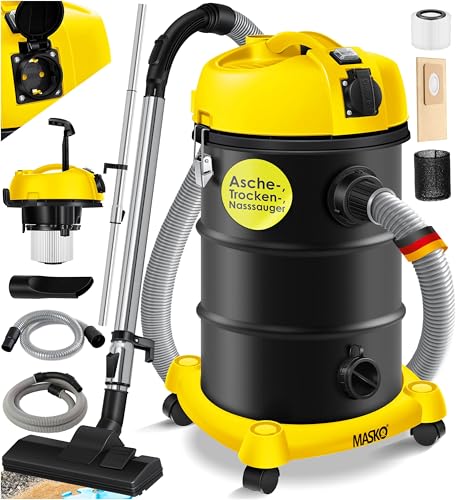
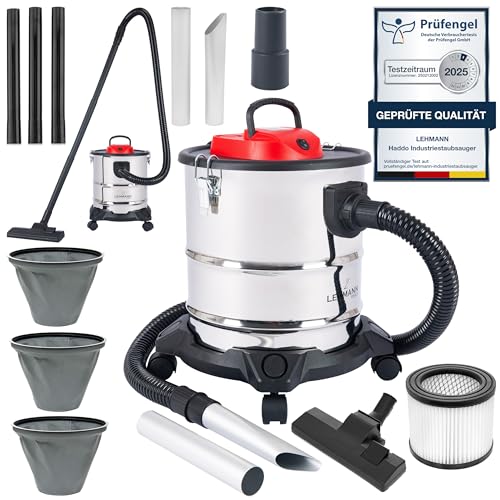
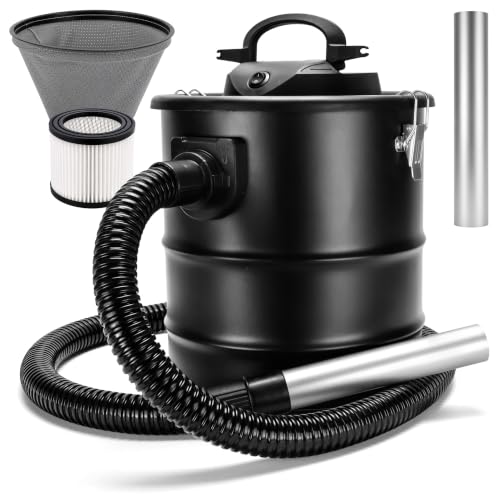
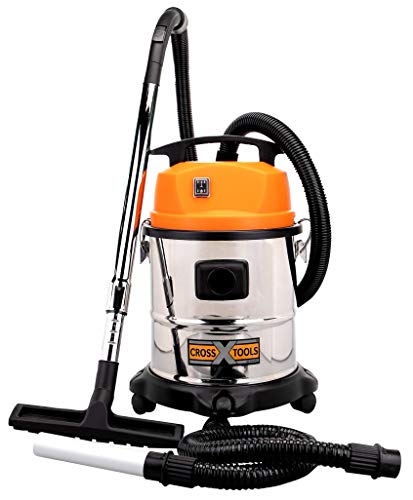
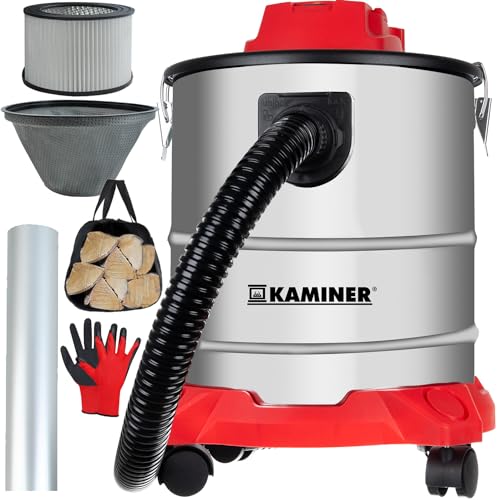
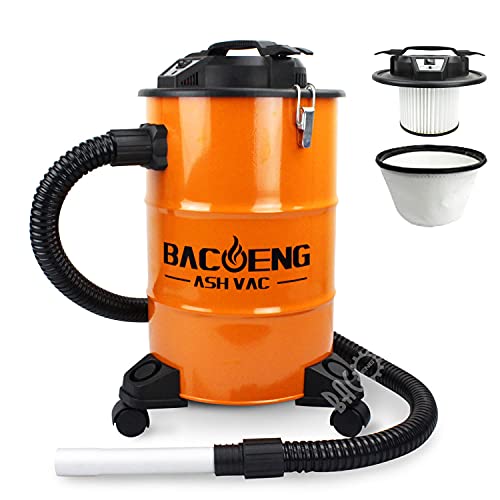
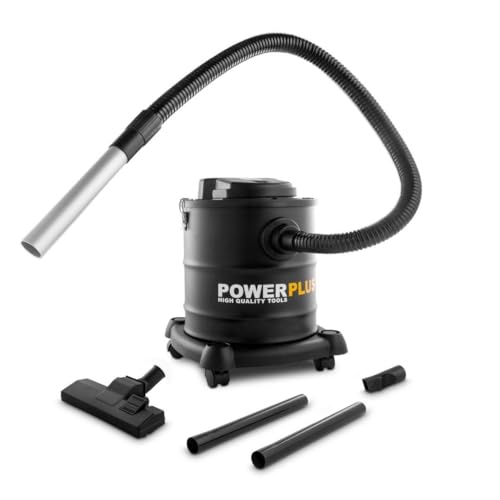
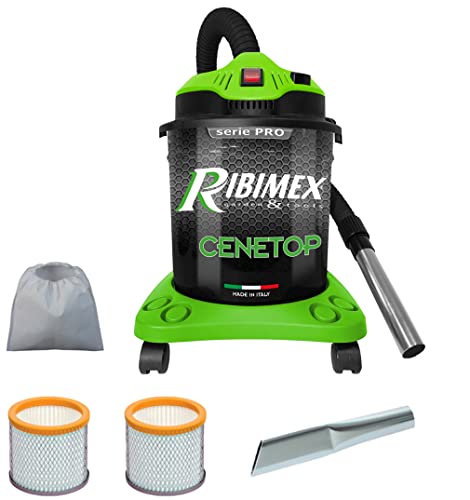
Welche Marken stellen die besten Aschesauger für Ruß her?
Die folgende Rangliste vergleicht etablierte Aschesauger-Marken nach der durchschnittlichen Gesamtbewertung der gesamten Kategorie. Die Eignung zur Rußreinigung hängt jedoch von dichter Feinstaubfilterung, Filterwartung und dem Unterschied zwischen losem Geräteruß und Ablagerungen im Schornstein ab:
- Sellnet (Durchschnittliche Gesamtbewertung: 8.4)
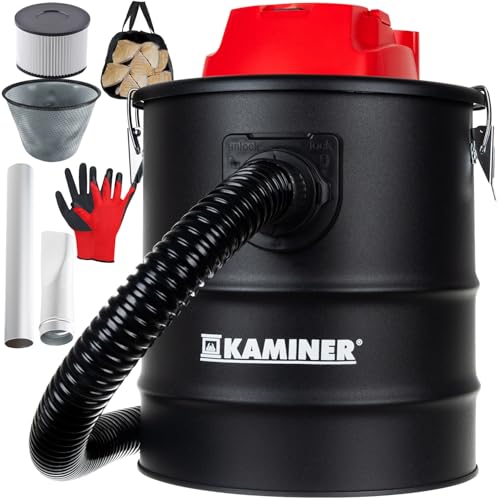
- Kaminer (Durchschnittliche Gesamtbewertung: 7.9)
- Kärcher (Durchschnittliche Gesamtbewertung: 7.4)
Das folgende Diagramm vergleicht etablierte Aschesauger-Marken nach ihrer durchschnittlichen Gesamtbewertung.
[horizontal-chart-17495554516316705543147502528947893099530784932573]
Warum lässt sich Ruß schwerer als gewöhnliche Asche aufsaugen?
Ruß ist schwerer aufzusaugen als gewöhnliche Asche, weil seine Partikel extrem fein und leicht sind und an Oberflächen haften. Der Luftstrom an der Düse kann das Pulver aufwirbeln, bevor es erfasst wird. Kleine Lecks an Deckel, Schlauchkupplung oder Filterdichtung können außerdem einen sichtbaren schwarzen Schleier in den Raum zurückführen. Ruß dringt schnell in Filterfalten ein und kann dauerhafte Flecken an Schläuchen und Behältern hinterlassen.
Lose graue oder schwarze Rückstände in einem kalten Ofen unterscheiden sich von klebrigen Ablagerungen im Schornstein. Feuchtigkeit und unvollständige Verbrennung können Ruß mit teerigem Kreosot verbinden, das an den Zugwänden haftet, den Luftstrom blockiert und eine Brandgefahr darstellen kann. Ein Aschesauger kann zugängliche lose Rückstände nach richtigem Bürsten aufnehmen, aber keinen Schornstein diagnostizieren, verhärtete Glasur entfernen oder professionelle Reinigung und Inspektion ersetzen.
Welche Filter fangen feinen Ruß am wirksamsten auf?
Ein Faltenfilter für Feinstaub oder ein HEPA-Filter bietet den wirksamsten Schutz gegen sehr feinen Ruß, besonders als Teil eines abgedichteten Systems. Klasse oder Etikett allein garantieren keine saubere Abluft. Die Luft muss durch das Filtermaterial und darf nicht an Deckel, Schlauchanschluss, Motorgehäuse oder schlecht sitzender Dichtung vorbeiströmen. Wähle ein Modell mit festen Verschlüssen und überprüfbaren Dichtungen.
Ein Grobvorfilter oder waschbarer Gewebeschlauch sollte vor dem Hauptelement liegen. Er fängt größere Aschepartikel ab, verteilt die Staublast auf eine größere Fläche und verzögert den schnellen Druckabfall, der entsteht, wenn Ruß die feinen Falten füllt. Eine Schwammschicht kann bei manchen Konstruktionen zusätzlichen Schutz bieten, muss aber vom Hersteller freigegeben sein und darf die Kühlluft nicht behindern.
Filterfläche, Ersatzteilverfügbarkeit und Wartungszugang sind ebenso wichtig wie die Filterart. Wähle ein Element, das sich ohne Aufwirbeln von Staub im Raum ausbauen lässt, und befolge die angegebene Reinigungsmethode. Ersetze gerissenes, verzogenes oder dauerhaft verstopftes Material. Ein beschädigter Filter kann bei weiterer Nutzung den Motor verunreinigen und Ruß am Auslass freisetzen.
Das folgende Diagramm zeigt, wie häufig Aschesauger einen HEPA-Filter enthalten.
[pie-chart-05570011740796723377062225942180634311701459502838]
Verringern waschbare und automatisch gereinigte Filter die Rußverstopfung?
Waschbare Filter können die laufenden Kosten bei der Rußreinigung senken, aber nur, wenn der Hersteller das Waschen erlaubt und das Element richtig behandelt wird. Entferne losen Staub im Freien, spüle den Filter ohne die Falten zu beschädigen und lasse ihn vor dem Einsetzen vollständig trocknen. Feuchtes Filtermaterial kann den Luftstrom einschränken, Rückstände fördern und den Sauger beschädigen.
Automatische oder per Drucktaste ausgelöste Filterreinigung ist nützlich, weil ein Luftimpuls oder eine Umkehrung Pulver von der Filteroberfläche löst, ohne den Behälter zu öffnen. Sie kann den Einsatz verlängern und die Saugleistung gleichmäßiger halten, besonders bei sehr feinem Ruß. Behälterleeren, Dichtungskontrolle, Vorfilterreinigung und der Austausch eines verschlissenen Hauptelements bleiben jedoch nötig. Die Leistung hängt von Konstruktion und verfügbarer Filterfläche ab.
Wie viel Saugleistung ist für die Reinigung von Feinstaubruß sinnvoll?
Etwa 15–20 kPa sind bei vergleichbaren Herstellerangaben ein sinnvoller Zielwert für den Saugdruck bei feinem Ruß. Niedrigere Werte können bei kurzen Schläuchen und zugänglichen losen Ablagerungen genügen, mehr Saugleistung kann durch eine schmale Düse oder einen längeren Schlauch helfen. Ziel ist kontrollierte Aufnahme nahe der Oberfläche und nicht so viel Luftstrom, dass Pulver im Raum verteilt wird.
Die Motor-Wattzahl beschreibt die elektrische Aufnahme, nicht den Saugdruck an der Düse. Ein gut abgedichtetes Gerät mittlerer Leistung mit sauberem, großzügigem Filter kann ein stärkeres Modell mit engen Schlauchbögen oder beladenem Filter übertreffen. Vergleiche Saugdruck, Luftstrom, Schlauchdurchmesser und Filterkonstruktion gemeinsam statt Geräte nur nach Watt zu sortieren.
Anhaltende Saugleistung ist wichtiger als eine starke erste Minute. Vorfilter, Filterreinigung, leichter Wartungszugang und ein leerer Behälter helfen, den Luftstrom bei zunehmendem Ruß zu erhalten. Stoppe, wenn die Leistung abrupt fällt, sich das Motorgeräusch verändert oder Staub an Auslass oder Dichtung sichtbar wird. Weiterarbeit kann Verunreinigung verteilen und das Gerät überhitzen.
Wie viel kosten Aschesauger für Ruß?
Für die regelmäßige Rußreinigung geeignete Aschesauger kosten meist etwa 35–130 €, während hochwertige kabelgebundene Geräte und Akkusysteme ungefähr 150–340 € erreichen. Modelle unter 50 € können kalte Rückstände ausreichend aufnehmen, haben aber oft kleinere Filterflächen, einfachere Dichtungen oder keine Filterreinigung. Kosten und Verfügbarkeit von Ersatzfiltern sind wichtig, da Ruß die Wartungsintervalle verkürzen kann.
Im Bereich von etwa 60–120 € sind ein abgedichteter Metallbehälter, Vorfilter, waschbares Falten- oder HEPA-Element, verstärkter Schlauch und einfachere Wartung zu erwarten. Mehr zu zahlen lohnt sich für automatische oder per Taste ausgelöste Filterreinigung, größere Filterfläche, zuverlässige Ersatzteile oder eine bereits vorhandene Akkuplattform. Das Gerät wird dadurch aber nicht für heiße Asche, teerigen Kreosot oder professionelle Schornsteinreinigung geeignet.
Das folgende Diagramm zeigt die Preisverteilung der Aschesauger, die für Rußreinigung berücksichtigt wurden.
[vertical-chart-02049192578767447811094619216221561833603614642741]
Wann ist ein Aschesauger für Schornsteinruß ungeeignet?
Ein Aschesauger ist ungeeignet, wenn der Ruß heiß, feucht, teerig oder unzugänglich ist oder mit einem vermuteten Schornsteinproblem zusammenhängt. Verwende ihn nicht für glühende Rückstände, lebende Glut, Flüssigkeiten, verhärteten oder verglasten Kreosot, Nester, eingestürztes Mauerwerk oder einen verstopften Rauchzug. Gewöhnliche Aschesauger-Schläuche und -Filter sind für zugängliche trockene Partikel gedacht, nicht zum Abkratzen von Ablagerungen über die gesamte Schornsteinhöhe.
Stoppe und veranlasse eine professionelle Inspektion, wenn starker Teergeruch, wiederholter Rauchaustritt, schlechter Zug, sichtbare Risse, eine unerklärliche Änderung der Geräteleistung oder ein früherer Schornsteinbrand vorliegen. Der Schornsteinfeger verfügt über Stangen, Bürsten, Abschirmmaterial und Prüfmethoden, um den gesamten Zug und nicht nur die Geräteöffnung zu beurteilen.
Bei normaler Wartung kann ein Aschesauger vollständig kalten losen Ruß aus Ofenkammer, Umlenkbereich oder Feuerstelle aufnehmen, nachdem die Herstellerprozedur befolgt wurde. Trage geeignete Schutzausrüstung, lüfte ohne Zugluft über den Staub und prüfe Filter und Dichtungen vor der Nutzung. Betrachte das Saugen als abschließende Aufnahme nach sicherem Zugang und Bürsten, nicht als Ersatz für Verbrennungswartung oder planmäßige Schornsteinreinigung.